Electric vehicles
Electric vehicles
We are supporting the transition to electric vehicles. Our team can help you to install a home charger or plug into one of our new kerbside points.
We also work with third parties to connect new high speed DC chargers across our network.
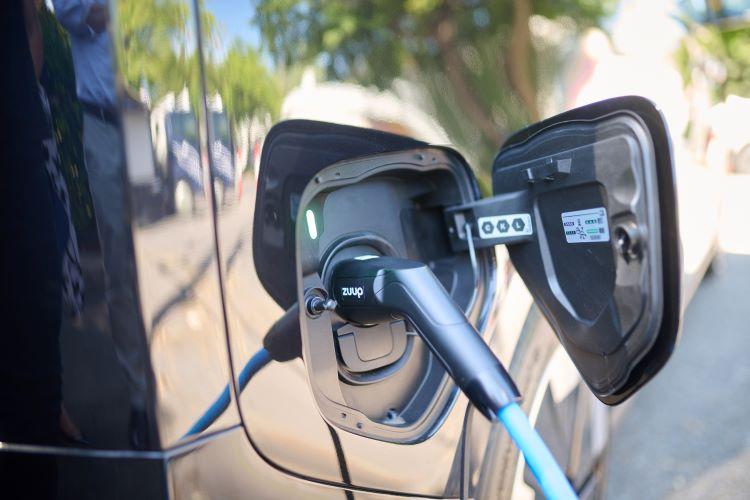
Charging options
Trickle charging
Regular power outlets can be suitable if you use your car occasionally or for short trips. They typically add 10-15 kilometres of range for every hour of charging.
7kw wall charger
A single-phase home charging unit suits people that drive their EV regularly. They typically add 30-40kms of range for every hour of charge time.
22kw home charger
Higher capacity chargers provide the fastest home charging option. They can add 50-120kms of range for every hour of charge time. They need three phase power, so are not suitable for all customers.
DC fast charging
Typically installed in high traffic public spaces, these chargers vary from 50-350kW and can charge vehicles to 80% in less than half an hour.
Installing a charger at your property
Check your electrical setup
An EV charger can increase the amount of electricity your property uses from the network. Before installing a charger, a qualified electrician will need to check that your electrical setup can safely handle this additional demand.
If you use more electricity from the network than your home’s electrical setup can safely support, your service fuse may operate to protect your home (also known as a blown fuse), resulting in a power outage until we can replace it. If you continue to use more electricity than your home can handle, you may repeatedly blow your fuse.
What to discuss with your electrician
You’ll need to let your electrician know whether you plan on charging your vehicle while using other high-energy appliances such as air-conditioning or an induction cooktop.
Based on your total electricity needs, your electrician may advise you to do one or more of the following:
- Manage your usage: avoid charging your EV while using certain high-energy appliances
- Set a limit: set a charging limit on your EV charger
- Upgrade your electrical setup: this could include the service fuse, mains cable or circuit breaker.
- Upgrade your supply: from single-phase to three-phase (if available in your area)
Vehicle-to-grid charging
Vehicle-to-grid (V2G) chargers turn electric vehicles into home batteries on wheels. Charge your car with cheap daytime solar power and run your home off the battery in the evening.
They are as easy to connect as easy as a rooftop solar system. All you need is a Clean Energy Council-approved charger.
Information about vehicle-to-grid installation processes is available here.
Pole-mounted chargers
Powercor is trialling power pole-mounted EV charging. We're installing 100 chargers in areas with high EV uptake and low rates of off-street parking.
They are convenient, affordable and helping more people to switch to an EV.
Read about the trial and find a list of charger locations here.